Reflect on the meaning of this speech and what it means for you as an Australian or someone living in Australia.
Wednesday, May 25, 2016

Wednesday, May 11, 2016
Made with Code - Film
When you watch this video think very carefully about the authors purpose and message.
Sunday, May 8, 2016
Thursday, May 5, 2016
100 Word Challenge - Term 2 Week 3
This is one of my favourite photographs for writing a creative piece.
There is so much in it to write about!
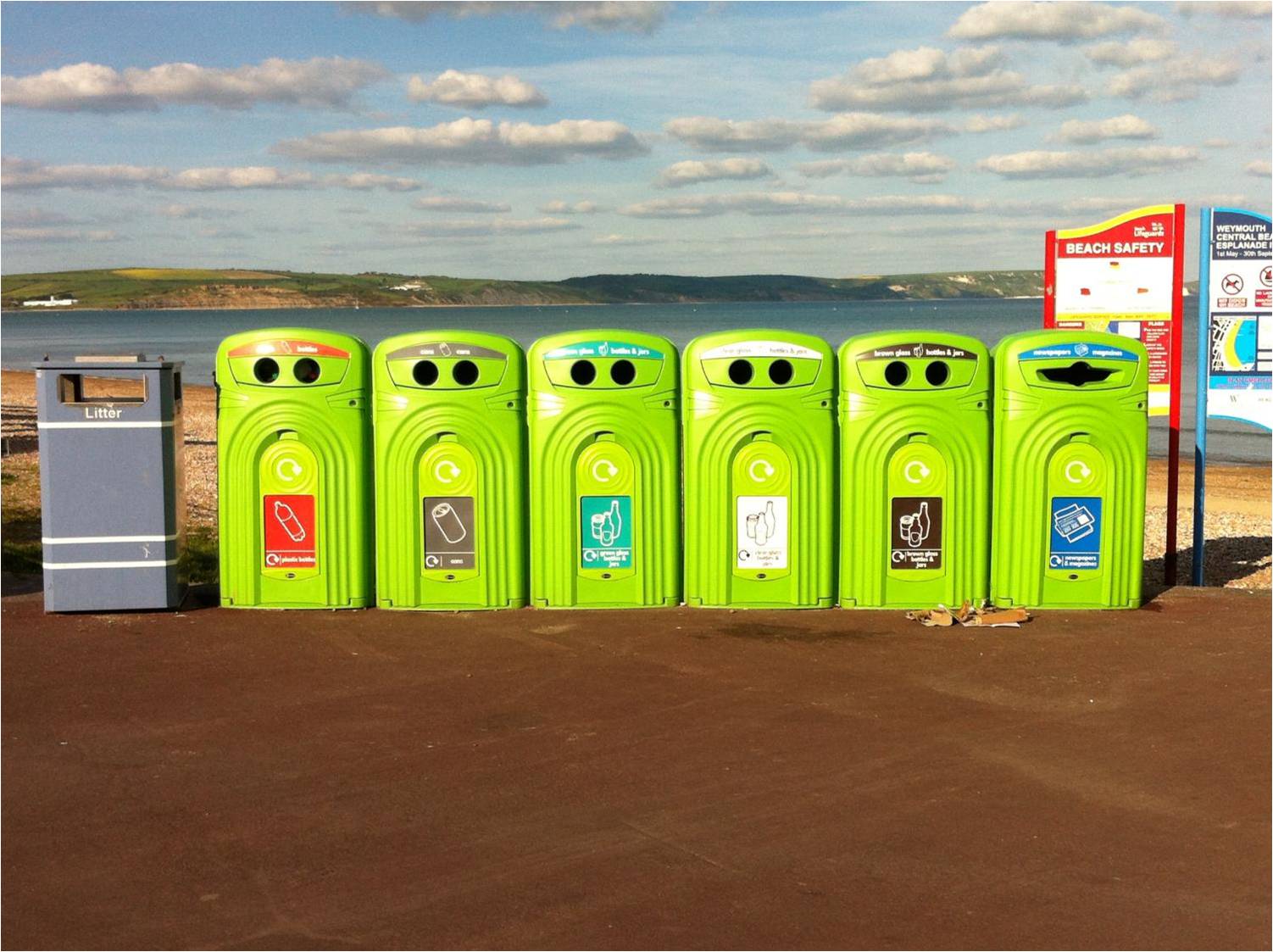
Things to think about:
- Give them a character, name, personality
- Where have they come from?
- What differences can you see?
100 Word Challenge - Term 2 Week 2
This week you have a real challenge! It might seem an easy prompt but you will have to plan your story to make sure you really use it and create a masterpiece.
The prompt is just one word, which has to be in the story and it is:
SUDDENLY
The key to this prompt is the tension you build around the word.
Firstly think about the setting, the characters, whether it is happy / sad.
Then you need to plan what happens for you to write ‘suddenly’.
I’m really looking forward to reading some spine chilling or funny pieces.
Sunday, May 1, 2016
Handwriting Term 2 Week 2

Use our own personal handwriting style.
Success Criteria:
Use Size, Shape, Slope and Spacing legibly for myself and others to read,
TIB:
I need to maximise my ability to deliver handwritten text that can be graded correctly, enjoyed by myself and others who are reading my work.
Handwriting Term 2 Week 1
In
Flanders Fields
In Flanders fields the poppies blow
Between the crosses, row on row,
That mark our place; and in the sky
The larks, still bravely singing, fly
Scarce heard amid the guns below.
Between the crosses, row on row,
That mark our place; and in the sky
The larks, still bravely singing, fly
Scarce heard amid the guns below.
We are the Dead. Short days ago
We lived, felt dawn, saw sunset glow,
Loved and were loved, and now we lie
In Flanders fields.
We lived, felt dawn, saw sunset glow,
Loved and were loved, and now we lie
In Flanders fields.
Take up our quarrel with the foe:
To you from failing hands we throw
The torch; be yours to hold it high.
If ye break faith with us who die
We shall not sleep, though poppies grow
In Flanders fields.
To you from failing hands we throw
The torch; be yours to hold it high.
If ye break faith with us who die
We shall not sleep, though poppies grow
In Flanders fields.
by John McCrae, May 1915
WALT:
Use our own personal handwriting style.
Success Criteria:
Use Size, Shape, Slope and Spacing legibly for myself and others to read,
TIB:
I need to maximise my ability to deliver handwritten text that can be graded correctly, enjoyed by myself and others who are reading my work.
Saturday, April 2, 2016
Tuesday, March 22, 2016
Growth Mindset - Episode 4
What are neurons and how do we make connections between our neurons?
Think of an example where you made some new connections in your brain. What were you doing?
What can you do this week to make some new connections? Set one specific goal.
Growth Mindset - Episode 3
In Episode 3, “The Power of Yet,” Katie realizes she can learn new
things, too, and that she can ask others for help!
1. What should you do if you are stuck on a project, math problem, or other learning (teacher can choose a specific situation)?
2. Think of a time you were afraid to ask for help. Why did you feel afraid?
3. Why is the word "yet" so powerful? Think of a "yet" moment in your life and discuss it with your neighbor!
Subscribe to:
Posts (Atom)
(They taught me all I knew);
Their names are What and Why and When
And How and Where and Who.
Whenever in doubt as to what to ask, just dip into these questions.
What
What are you doing?
What shall we do next?
What happened?
What is stopping you from succeeding?
What is the most important thing to do now?
Three 'Whats' that may be asked in sequence to solve problems are:
What are you trying to achieve?
What is the real problem?
What is the solution?
Why
Asking 'why' seeks logical connections and shows you to be rational in your thinking. It can also be a good way of creating a pause or distraction in a conversation, as many people make assertive statements but without knowing the real 'why' behind those assertions.
A reversal of 'Why' is to ask 'Why not', which is a wonderful creative problem for stimulating people to think 'outside the box'.
Why questions include:
Why did you do that?
Why did that happen?
Why is it important for us to try it again?
Why not give it a try?
When
When will you be finished?
When will you give me the money?
When are you taking your holiday? (next Summer)
How
How did you achieve that?
How shall we get there?
How will you know she likes you?
'How' may also be used with other words to probe into time and quantity.
How often will you see me?
How much do you owe him?
Where
If something is going to be delivered or done, then asking 'Where' is a very good companion to asking 'When' to clarify exactly what delivery will take place.
Where will you put it?
Where will they be delivered?
Who
Who is this work for?
Who will benefit most from what you propose?
Who else would be interested?
Assumptive questions
How much do you care? (assumption: you care)
How will you persuade her? (assumption: you will seek to persuade her)
Where will you buy it? (assumption: you will buy it)
When will you make the change? (assumption: you will make the change)
Solving problems
1. What is the problem?
2. Why is it happening?
3. How can you fix it?
4. – Fix it! –
5. Why did it work or not work?
6. What next?
Material accessed from http://changingminds.org/techniques/questioning/kipling_questions.htm